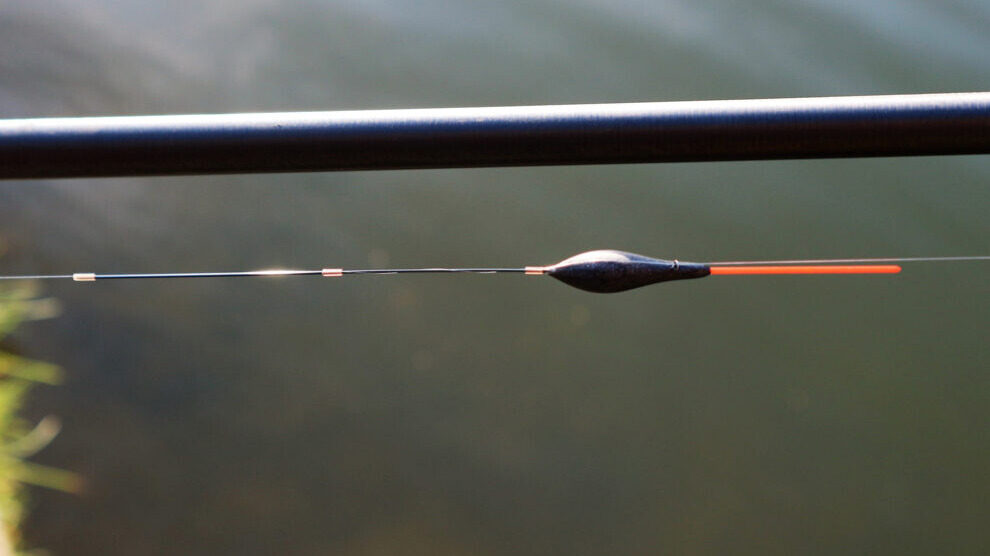

A float isn’t just something to hold your rig up—it's your direct connection to what’s happening underwater.
Think of it this way: the float is the window into your swim. Get it wrong, and everything looks muddled. You’re second-guessing bites, missing indications, and never quite settling. Get it right, and it’s like someone’s switched the lights on. Every movement makes sense.
That’s the difference between guessing and controlling your fishing.
Matching float shape to depth, bait, and species is one of those skills that quietly separates average anglers from consistent match winners.
Understanding Float Shapes
There are hundreds of floats on the market, all with fancy names and branding, but strip it back and they all fall into a few key types:
-
Slim bodies
-
Rugby ball shapes
-
Diamond shapes
-
Short, stubby margin floats
Each one exists for a reason. If you understand when to use them, the float choice becomes simple and instinctive.
Slim Floats: For Precision and Finesse
Slim-bodied floats are all about sensitivity.
They shine when you’re targeting F1s or silvers like roach and skimmers, especially when bites are shy. Paired with a fine bristle, they’ll show everything — tiny lifts, dips, and delicate indications that heavier floats simply mask.
They’re also perfect for:
-
Shallow fishing
-
Calm conditions
-
Light rigs and small baits like maggots or pinkies
But here’s the truth—they've got their limits.
As soon as wind, tow, or extra depth comes into play, slim floats start to lose control. The rig moves too much, the float drags, and your presentation suffers. When that happens, it’s time to step up in stability.
Rugby Ball Floats: Stability and Control
If you could only carry one style of float, this would be it.
Rugby ball-shaped floats are your bread and butter for commercial fishing. They offer the perfect balance of stability and sensitivity, particularly in depths of around 5 to 7 feet.
With a wire stem, they hold firm in:
-
Windy conditions
-
Slight tow
-
Deeper water
They don’t overreact to surface movement, which means what you see on the float is far more likely to be an actual bite.
For carp, F1s, or mixed bags, this is your safest and most reliable option.
Diamond Floats: The Middle Ground
Diamond-shaped floats sit right between slim and rugby ball designs.
They give you:
-
More stability than a slim float
-
More sensitivity than a rugby ball
That makes them ideal when conditions aren’t perfect, but you still need to read bites clearly.
If fish are feeding positively but you still want to pick out lifts and slight indications, a diamond float is often the right call.
They’re a proper-thinking angler’s float — subtle, but effective.
Margin Floats: Built for Battle
Margin fishing is a different world altogether.
You’re dealing with big carp, shallow water, noise, and chaos. Fish are crashing, swirling, and moving hard — and a delicate float just won’t cope.
This is where short, thick, robust floats come into their own.
A typical margin float:
-
0.4g to 0.6g (or heavier if needed)
-
Thick body
-
Strong glass or wire stem
-
Thick, highly visible bristle
These floats sit solid and don’t react to every bit of disturbance. That’s crucial. If your float dips every time a carp turns nearby, you’ll lose confidence quickly.
A proper margin float filters out the noise and shows you the real bites — the ones that matter.
Bristle Choice: The Detail That Matters
It’s easy to overlook the bristle, but it plays a massive role in how your float behaves.
As a rule of thumb:
-
Fine bristles → maggots, pinkies, casters, winter fishing
-
Thick bristles → corn, pellets, paste, summer carp fishing
The wrong bristle can ruin an otherwise perfect setup.
Too thick, and you’ll miss delicate bites.
Too fine, and the float will bury itself or behave erratically with larger baits.
Always match the bristle to the bait. It’s a small detail that makes a big difference.
Matching Floats to Conditions
This is where it all comes together.
You don’t need to overcomplicate it—just read the situation in front of you.
-
Calm day, shallow water, silvers or F1s → go slim
-
Deeper water, wind or tow → step up to a rugby ball
-
Mixed conditions, steady feeding → diamond float
-
Margins, big carp, heavy feeding → stubby margin float
Simple decisions, but they stack up over a match.
Final Thoughts: From Guesswork to Confidence
Most anglers spend time worrying about rigs, bait, and feeding—and rightly so. But float choice often gets overlooked or, worse, treated as an afterthought.
It shouldn’t be.
The right float doesn’t just show bites — it gives you confidence. And confidence leads to better decisions, better presentation, and ultimately, more fish in the net.
Keep it simple. Learn what each shape is telling you. Build a small, reliable selection you trust.
Because once your float is right, everything else starts to fall into place.