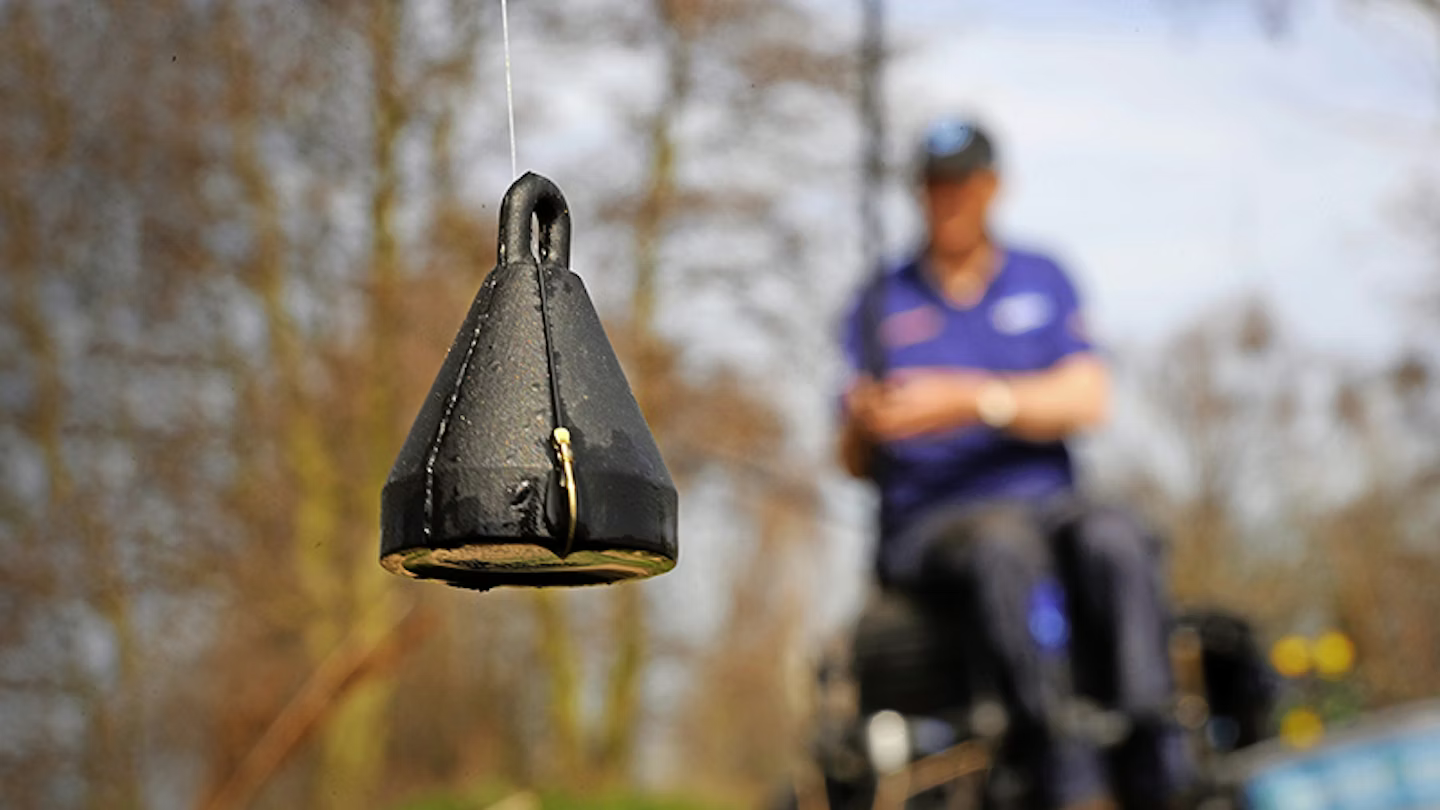

Ask any match angler what separates an average day from a winning weight, and most will point to one thing: knowing the peg. Plumbing up and mapping your swim might not feel glamorous, but it's the foundation of everything you do once the all-in sounds.
Why Plumbing Matters
A swim isn't just a flat piece of water. Even on commercials, depths vary, shelves appear, and small changes in bottom contour affect where fish feed. Without plumbing, you’re fishing blind. With it, you know exactly where your bait will settle, and how rigs behave at different lines.
Tools of the Trade
A simple plummet is all you need. Clip it to the hook, lower it down, and watch how your float responds. Take your time — this is the most valuable ten minutes of the day. A notebook or mental map of depths pays dividends later.
Finding Key Lines
I always start by plumbing the short line (top kit plus one or two sections). This is your insurance policy — a line to fall back on when bites elsewhere fade. Next, I plumb at 11–13 metres, the main attacking line on most pegs. Finally, I check the margins either side.
Each line has its role. Short for quick bites or winter fishing. Long for main feeding. Margins for big carp late in the match. Plumbing defines how you’ll rotate through them.
Spotting Shelves and Features
Even a 3-inch shelf can transform a swim. F1s, for example, love sitting just off a slope, while carp hug the base of shelves in margins. Take time to drag the plummet across and feel the bottom. Hard clay, soft silt, or gravel patches all tell you where fish might settle.
Depth and Rig Choice
Once you know depths, you can pick the right float size and shotting. A 4×12 might suit a shallow 4-foot swim, while a 4×16 gives stability in 7 feet of water. Knowing the depth also helps with bait presentation — fishing an inch overdepth for skimmers or dead-depth for F1s.
Margin Work
Margins deserve special attention. Carp often turn up here in the final hour, but they can be ultra-wary. Plumbing tight to the bank and at the base of the slope shows you exactly where to place your rig. Get it wrong and the bait sits awkwardly. Get it right and it's game on.
Building a Swim Map
After plumbing, I build a mental (or written) map: 2.5 feet short, 5 feet long, 18 inches margin left, 3 feet margin right. That map informs everything I do — from shotting patterns to elastic choice. It's like having a blueprint of the peg before the match begins.
Confidence Through Knowledge
The best part of plumbing is confidence. When I lower a bait in, I know exactly where it sits. No second-guessing, no wasted time. That calmness translates into better feeding decisions and quicker reactions when fish arrive.