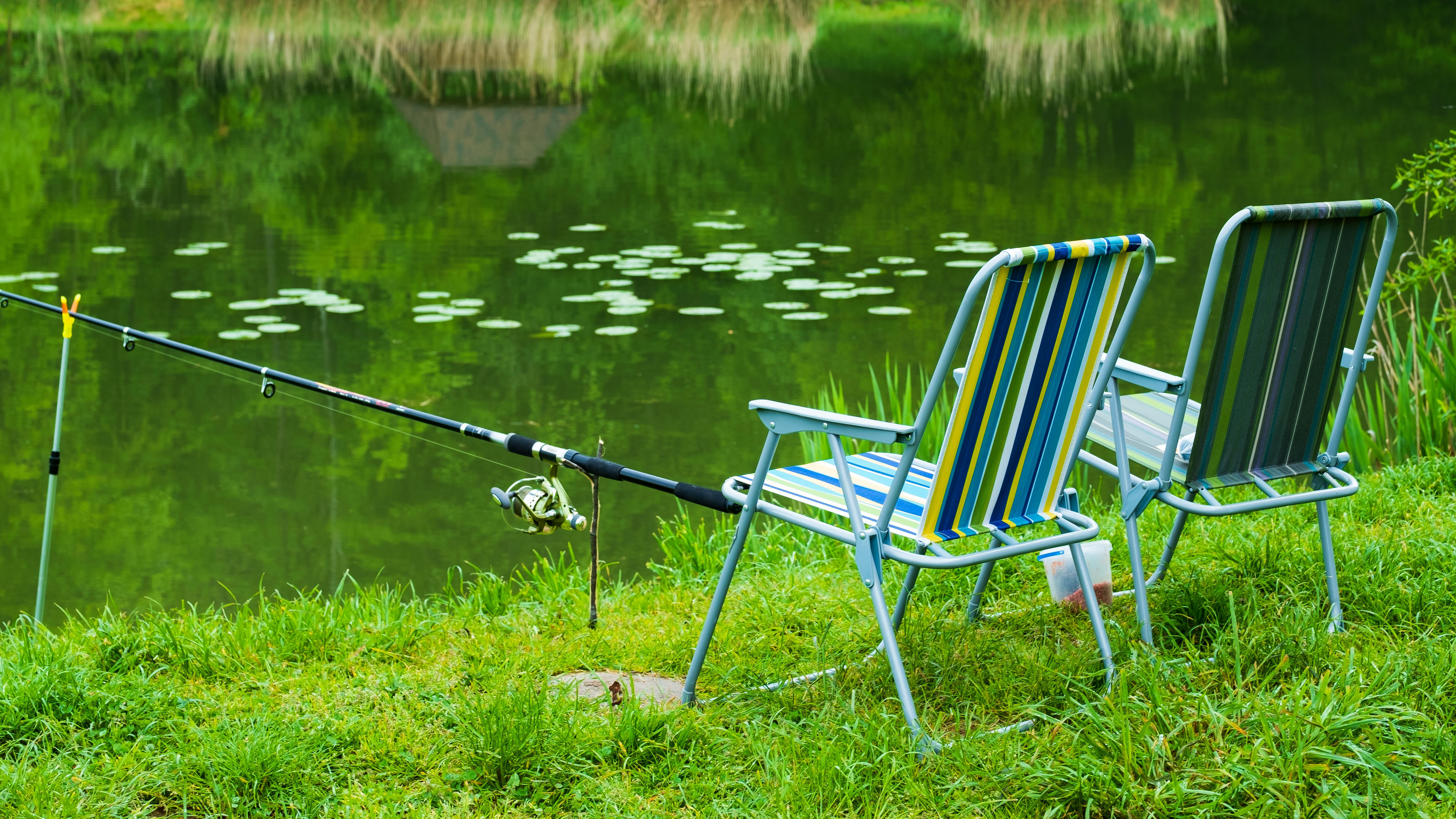

Fishing is often dismissed as a hobby of patience, a pastime for people who like sitting quietly by water with little to show for it. But that stereotype misses the deeper truth: fishing is profoundly good for mental health. More than just sport or leisure, angling is a way of restoring balance in a noisy world. It combines time outdoors, focus, social connection, and mindfulness in ways that modern therapies are only beginning to appreciate. For many people, fishing is not just recreation — it is therapy with a rod and reel.
The Science of Being Outdoors
Human beings evolved outdoors. Yet in modern life, many of us spend most of our time inside, under artificial light and glued to screens. Research has repeatedly shown that exposure to nature improves mental wellbeing, lowering stress hormones and boosting mood. This is often called the “biophilia effect”: our brains and bodies respond positively to natural environments because they are the settings we are built for.
Fishing puts you in those environments for hours at a stretch. Lakes, rivers, reservoirs, and coastlines offer a natural setting that calms the nervous system. The sound of water alone has been shown to slow heart rate, reduce blood pressure, and trigger relaxation responses in the brain. Fishing demands that you spend extended time in these restorative spaces, giving your body and mind the kind of deep reset that a brief walk in the park can’t always provide.
Attention Restoration and Focus
Psychologists talk about “attention restoration theory” — the idea that natural settings help our brain recover from the mental fatigue of constant decision-making and overstimulation. Fishing is a perfect example. Instead of scrolling through endless notifications, you are watching a float, listening for a bite alarm, or feeling for movement through a line. These are simple, direct points of focus.
This balance of soft attention (observing the water, watching clouds) and sharp attention (responding to a bite) is uniquely restorative. It clears mental clutter and replaces it with calm alertness. In this way, fishing is a practice of mindfulness: being present in the moment, focused on something small and immediate, without judgment or distraction.
Social Connection and Community
Fishing is both solitary and social. You can fish alone, enjoying solitude and reflection, or fish with others, enjoying companionship without the pressure of constant conversation. Unlike many sports, fishing doesn’t demand competition or continuous chatter. Two people can share a bank for hours, talking occasionally, but still feel connected through the shared experience.
Social connection is vital for mental health, protecting against depression and anxiety. Fishing clubs, matches, and casual outings provide that sense of belonging. For those who struggle in crowded or noisy settings, angling offers a more relaxed way to engage with community. The bank is a space where relationships can grow slowly and naturally, often across generations — grandparents teaching grandchildren, friends meeting weekly, or communities organising charity events.
The Therapy of Waiting
In modern life, waiting is seen as wasted time. Fishing flips that idea on its head. Waiting for a bite becomes valuable, not wasted. The anticipation itself is therapeutic, teaching patience and acceptance of things beyond your control.
For people living with stress or anxiety, this lesson is powerful. Fishing teaches you to slow down, to accept that outcomes are uncertain, and to value the process as much as the result. Whether the float dips or not, you’ve gained hours of peace, fresh air, and focus.
Achievable Goals and Self-Efficacy
Another mental health benefit comes from the sense of achievement fishing provides. You set a goal — catching a fish, mastering a rig, improving a technique — and when you succeed, however small, it reinforces self-confidence. Even blank days offer progress: you’ve practised patience, refined your setup, or learned something about the water.
This sense of “self-efficacy” — the belief that you can influence outcomes through your actions — is one of the strongest protective factors against depression. Fishing provides achievable, tangible goals in a way that is both challenging and forgiving.
Physical Health and its Link to Mental Health
Although fishing isn’t always seen as physically demanding, it often involves walking, carrying gear, setting up equipment, and spending time moving between swims. Being physically active outdoors boosts endorphins and dopamine, neurotransmitters that are closely linked to positive mood and resilience. Even gentle activity improves sleep quality and lowers stress, which in turn supports mental health.
Escape from the Digital World
One of the modern drivers of poor mental health is digital overstimulation. Constant scrolling, pings, and notifications keep the nervous system on high alert. Fishing provides a socially acceptable excuse to unplug. Phone in pocket, rod in hand, attention on water — it’s a digital detox without having to call it that. For many anglers, this is one of the biggest draws: the permission to switch off.
Stories of Recovery
Beyond the research, the human stories speak volumes. Programmes like “Fishing for Heroes” (supporting veterans with PTSD) or “Get Hooked on Fishing” (working with young people) use angling as therapy. Participants report reduced anxiety, greater confidence, and improved social skills. Many say fishing gave them hope when other interventions failed.
These programmes work not because fishing is a magic cure, but because it offers a combination of structure, calm, and connection that modern life often strips away.
Why Fishing Works When Other Things Don’t
The strength of fishing as therapy is that it doesn’t feel like therapy. Many people who resist traditional counselling or medication find fishing accessible and non-threatening. There are no labels, no stigma — just rods, reels, water, and time. The benefits sneak in sideways, disguised as leisure.
Conclusion: More Than a Hobby
Fishing is not a cure-all. It won’t replace professional help for those in crisis, nor should it. But as part of a healthy lifestyle, it offers mental health benefits that are increasingly recognised. By combining time outdoors, mindfulness, social connection, achievable goals, and a digital break, fishing provides a natural antidote to modern stress.
Whether you’re a match angler chasing weights, a fly-fisher seeking calm rivers, or a casual weekend coarse angler, the act of fishing offers more than just fish. It offers restoration. In a world that prizes speed and productivity, fishing reminds us that slowing down, paying attention, and being present are not luxuries — they are necessities for mental health.