
Few topics divide pole anglers more than hooklength length. Some swear by 6-inch hook lengths for everything; others insist that 4-inch versions are sharper, quicker, and tidier. The truth is, both lengths work—but each has it's own place depending on rig style, bait presentation, and the species you’re targeting.
Over time, I’ve built my own system that keeps things simple but flexible. Let's break it down and see where the shorter or longer hook length really earns its keep.
Why Hooklength Length Matters
At first glance, shaving two inches off a hooklength doesn’t sound like much. But in fishing terms, it can change everything. The length of your hooklength determines:
-
Presentation—how naturally your bait behaves.
-
Rig behavior—how quickly the float registers a bite.
-
Control—how your shotting interacts with the hookbait.
Get it wrong, and you either miss bites or present the bait unnaturally. Get it right, and suddenly everything feels smoother, more in tune with the fish below.
The Case for 6-Inch Hooklengths
Six-inch hook lengths are the traditional standard. They’re versatile, forgiving, and work well with a variety of rigs. The extra length gives your bait more freedom to move, which is particularly important when fish are cautious or in clear water.
For silvers, especially roach and skimmers, that extra slack is invaluable. A caster or maggot fished on a 6-inch hook length flutters down more naturally, fooling wary fish that shy away from stiff presentations. The longer hook length also softens things when you’re fishing light lines in winter—giving a cushion against sudden lunges.
Another big plus: six inches gives you room for error. If you damage a hooklength by unhooking a fish or catching the odd tangle, you can trim and retie without losing the whole rig. That makes them practical as well as effective.
The Case for 4-Inch Hooklengths
Four-inch hook lengths are sharper and more direct. The shorter link between hook and rig shotting means that the moment a fish picks up the bait, your float reacts. In match fishing, where speed counts, that can make a big difference.
For Carp and F1s, the 4-inch hook length really comes into its own. Carp often bolt when they feel resistance. A short hook length ensures they feel that resistance instantly, setting the hook against the bulk shot or feeder weight. It’s particularly effective in the margins during summer, when fish are feeding aggressively and quick reactions land more in the net.
With pellet fishing, a 4-inch hooklength gives the tight, controlled presentation you want. It keeps the bait pinned in place and makes feeding patterns more precise. That’s why many commercial specialists now default to 4-inch hooklengths for pellet rigs.
Situational Choices
So when should you reach for which? A few simple rules help keep the decision clear:
-
Silvers, cautious fish, or clear water → 6-inch hook length. The extra length means more natural presentation.
-
Carp and F1s on commercials → 4-inch hook length; faster indication and tighter control.
-
Shallow fishing → 6-inch is usually safer, giving a bit more movement to mimic free-falling bait.
-
Margin fishing → 4-inch wins, because you want speed and hooking power.
It's not about picking one and ditching the other — it's about knowing when each shines.
My Standard System
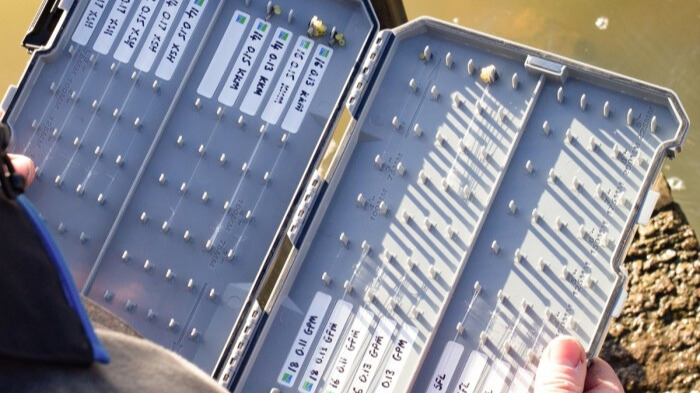
To avoid endless tinkering, I've streamlined my hooklength boxes. I carry both 4-inch and 6-inch versions, tied in the same line diameters and hook patterns. That way, I can switch length without worrying about whether the strength is right.
-
Carp rigs (summer): 4-inch, 0.20mm to strong hooks.
-
Carp rigs (winter): 4-inch, 0.18mm for tighter control but with finer lines.
-
F1 rigs (summer): 4-inch, 0.18mm.
-
F1 rigs (winter): 6-inch, 0.16mm — keeps presentation soft.
-
Silvers (all seasons): 6-inch, 0.16mm or 0.14mm depending on conditions.
This keeps my hook boxes compact and my decisions quick. I don't need dozens of variations — just a few reliable hook lengths that cover every scenario.
Confidence is Everything
At the end of the day, both lengths catch fish. What really matters is your confidence in the choice. If you believe the bait is presented right, you’ll fish better. If you're doubting the rig, you'll waste time fiddling instead of feeding and striking.
The beauty of carrying both 4-inch and 6-inch hook lengths is that you can adapt instantly. Start with a 6-inch if you’re unsure, then switch down to a 4-inch if the bites are sharp but not hitting home. The difference can be immediate.
Final Thoughts
Hook lengths might be a small part of the rig, but they carry a big responsibility. Those two inches — the difference between four and six — shape how your bait behaves, how your float responds, and how your session unfolds.
By understanding the strengths of both and standardising your system, you simplify your choices while keeping the flexibility to adapt. Carp in the margins, cautious winter F1s, or delicate silvers — you'll always have the right tool to hand.
It's not about picking a winner in the 4-inch vs 6-inch debate. It's about knowing when to play each card. Get that balance right, and you'll find your fishing becomes smoother, faster, and more productive.